
Inside Jeremiah Brents Makeover of a Vermont
Inside Jeremiah Brents Makeover of a Vermont:- Seeing Potential in an Empty Building In the world of interior design, Jeremiah Brent is a designer who believes in the power of telling a story. His projects are about more than just beautiful furniture; they are about capturing a feeling and honoring the history of a space. This philosophy was put to its greatest test with one of his most personal projects: transforming a defunct 1970s ski school in the mountains of Vermont into a warm, inviting, and lush family retreat.
The journey from a cold, empty structure to a cozy alpine haven is a masterclass in vision, respect for architecture, and the transformative power of thoughtful design. It teaches us that a building’s past doesn’t have to be erased to create a beautiful future; it can be the very foundation for it.
A Chilly Canvas of Concrete and Wood
The building Brent first encountered was stark and utilitarian, a product of its time and purpose. Imagine a long, low-slung structure built from concrete and dark, weathered wood. Large windows, meant to frame ski slopes, now looked out onto silent, snowy woods. Inside, the space felt more like a gymnasium or a warehouse than a hom open, cold, and echoing with the ghosts of decades-old lessons. Inside Jeremiah Brents Makeover of a Vermont Ski School
The floors were concrete, the ceilings high and exposed, and the lighting was harsh and fluorescent. For most, it would have been an intimidating, unlivable shell. But where others saw limitation, Jeremiah Brent saw breathtaking potential and raw, architectural character waiting to be softened and embraced.
Embracing the “Alpine Lodge” Soul
Brent’s core vision was not to fight the building’s inherent nature but to coax out its hidden soul. He asked a simple but profound question: “What is this building meant to be?” The answer, he felt, was a modern alpine lodge. He wanted to move away from the stark ski school aesthetic and toward the feeling of a generous, warm, and textural retreat a place for gathering, for fireside conversations, and for quiet contemplation of the stunning Vermont landscape. Inside Jeremiah Brents Makeover of a Vermont Ski School
The goal was lushness and comfort, creating layers of softness against the building’s hard lines. He imagined a space that felt both grand and intimately cozy, a sanctuary that celebrated its rugged surroundings while providing a plush, protective embrace from the elements outside.
Honoring the Architecture and Opening the Space
The first, most crucial step was structural. Brent and his team worked to honor the original architecture while making key changes to adapt it for domestic life. They knew the beautiful, cathedral-like ceilings and massive windows were assets to be highlighted, not hidden. They carefully opened up the floor plan to improve flow, creating defined areas for living, dining, and cooking within the vast open space without building restrictive walls.
This maintained the grand, airy feeling while making it functional. They also addressed the building’s envelope, improving insulation and installing radiant floor heating beneath new surfaces a critical upgrade for Vermont winters that would later allow for comfortable, barefoot living. This phase was about creating a warm, efficient shell.
The Great Room Transformation
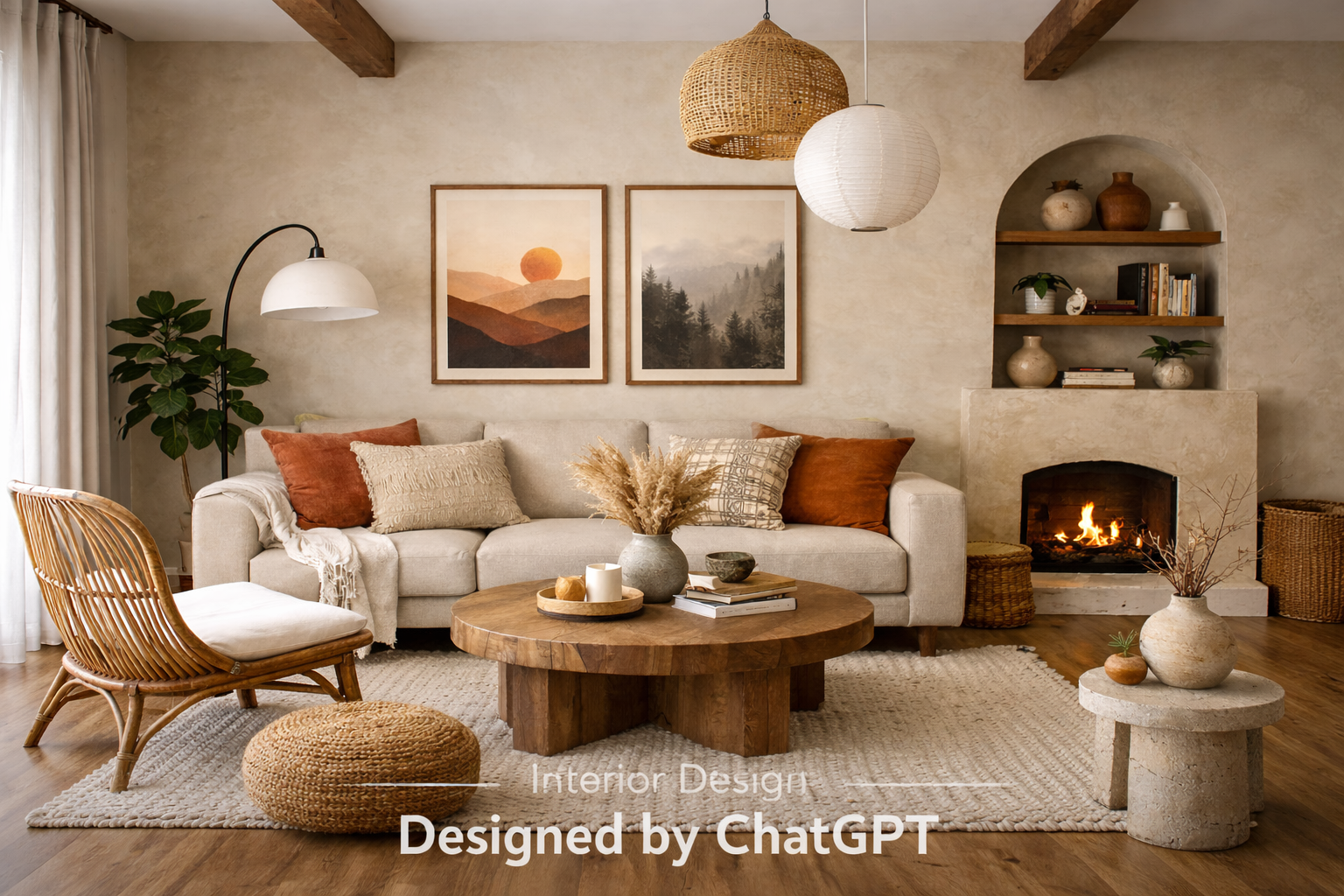
The centerpiece of the retreat is the monumental great room, where the ski school’s main hall once was. This space exemplifies Brent’s genius. He preserved the soaring, wood-beamed ceiling, now cleaned and warmed with a soft, white stain that brightens the entire room. The once-cold concrete floor was covered in wide-plank, honey-toned oak, its natural grain adding instant warmth underfoot.
The room is anchored by a monumental, custom-made stone fireplace, a new architectural element that serves as both a physical and emotional hearth. Furnishings are oversized, deep, and incredibly inviting a massive sectional sofa upholstered in creamy bouclé, sheepskin throws, and chunky knit blankets in earthy tones. The room is a lesson in scale and comfort, proving a large space can feel intimate.
A Kitchen Made for Gathering The Social Hearth
Adjacent to the great room, Brent designed a kitchen that defies typical, closed-off designs. He envisioned it as a true gathering space, the hub where meals and memories are prepared together. The cabinetry is crafted from a rich, matte-finish wood, providing a sense of substance and craft. Countertops are honed marble, their soft, imperfect surface adding to the lived-in, organic feel. Instead of upper cabinets, Brent used open shelving made from rustic wood, displaying beautiful, well-used ceramics and cookware like pieces of art.
A long, solid wood prep island, large enough for multiple cooks and surrounded by vintage-style counter stools, invites everyone to join in. The lighting is soft and ambient, with iron and glass pendant lights hanging low over the island, making the space feel more like a rustic chef’s kitchen in the French countryside than a modern showroom.
An Intimate Forest Gallery
Brent carved out a dedicated dining area that takes full advantage of the building’s most stunning feature: its floor-to-ceiling windows. He placed a substantial, live-edge wooden table here, its organic form a direct nod to the forest just outside the glass. The chairs are a mix of vintage wooden designs and plush, upholstered seats, encouraging long, leisurely meals. By day, this space is bathed in natural light, making diners feel as if they are sitting within the tree canopy.
By night, with the curtains open, it becomes a dramatic gallery of darkness, with the room’s warmth reflected in the glass. A simple, sculptural chandelier in iron and clear glass hangs above, providing a glittering focal point without competing with the majestic outdoor view.
The Bedroom Suites
Where the public spaces are grand and social, the private bedrooms were designed as serene, cocooning sanctuaries. Brent transformed smaller, ancillary rooms of the old school into lush bedrooms. Walls are often clad in reclaimed wood or painted in deep, soothing colors like forest green, slate blue, or warm taupe. The beds are low and platform-style, dressed in layers of fine, neutral linens, wool blankets, and piles of pillows in varying textures linen, velvet, cable knit.
Lighting is exclusively soft and indirect: wall sconces with linen shades, small table lamps, and discreet LED strips. The windows are draped in heavyweight, textural fabrics that pool slightly on the floor, ensuring both privacy and a profound sense of quiet, insulated comfort, perfect for rest after a day in the mountain air.
Spas of Stone and Steam
The bathrooms continue the theme of rustic luxury, feeling like private spas carved from the mountain itself. Brent used large-format, natural stone tiles on floors and walls, their veining and color variations telling a unique story. Freestanding, sculptural bathtubs are positioned to enjoy views of the woods, turning a simple bath into a therapeutic experience. Showers are expansive, often featuring both a rainfall showerhead and a traditional hand sprayer, and are sometimes enclosed by only a single pane of glass to maintain the open feel.
Vanities are crafted from thick slabs of wood or stone, with undermount basins in porcelain or stone. The fixtures are in unlacquered brass or matte black, designed to develop a beautiful patina over time. Every detail promotes a sense of earthy, grounded relaxation.
The Unsung Hero of Coziness
If one element defines this transformation, it is Brent’s masterful use of texture. This is what turned the building from “alpine” to “lush alpine.” He layered texture upon texture to create visual and tactile interest that makes the space feel rich and lived-in. Rough-hewn wood beams play against smooth, polished stone. Nubby bouclé fabric on sofas contrasts with slick leather armchairs.
Sheepskin rugs are thrown over finely-woven jute carpets. Knitted throws, velvet pillows, raw silk curtains, and hammered metal light fixtures all contribute to a symphony of feel. This dense layering absorbs sound, adds incredible depth, and creates an overwhelming sense of comfort and luxury that is felt as much as it is seen, directly combating any residual coldness from the original structure.
A Curated, Collected Feel
Nothing in the retreat looks “bought as a set.” Jeremiah Brent is known for his curated approach, blending high-quality new pieces with meaningful vintage finds. He filled the space with furnishings that feel collected over a lifetime. A mid-century modern armchair sits beside a rustic, 19th-century wooden trunk. Contemporary art in simple frames hangs on walls next to antique ski memorabilia found locally.
Books are stacked everywhere on tables, shelves, and the floor adding intellectual warmth and personal history. Decorative objects are mostly organic: large geodes, simple ceramic vases with dried grasses, worn wooden bowls. This approach prevents the design from feeling like a sterile hotel and instead creates a narrative that the home has a soul and a past that extends beyond its recent renovation.
Bringing the Outside In
To enhance the “lush” aspect of his alpine vision, Brent incorporated plants as a vital design element. Large, statement houseplants like fiddle-leaf figs, olive trees, and sprawling monsteras are placed strategically throughout the great room. Their vibrant green leaves provide a year-round connection to the nature outside, especially vital during Vermont’s long, white winters.
Smaller clusters of potted herbs in the kitchen add fragrance and life. The greenery softens the architectural lines, adds a fresh burst of color to the neutral palette, and contributes to the overall feeling of vitality and retreat. It’s a reminder that the home is a living, breathing space nestled within a living, breathing landscape.
Crafting Mood and Atmosphere
Brent treated lighting as the jewelry of the home, essential for setting the mood. He completely eliminated any harsh, overhead lighting. Instead, he designed a layered lighting scheme. Ambient light comes from discreet recessed fixtures and uplights that graze the textured walls and ceilings. Task lighting is provided by beautiful, individual lamps arc floor lamps reading over chairs, petite brass lamps on bedside tables.
The final layer is accent lighting: the flicker of candlelight in hurricane jars on the dining table, the glow from the fireplace, and small, wired LED candles on shelves. As evening falls, the retreat transforms into a dimly lit, magical cavern of warm pools of light, making it the ultimate cozy haven against the dark, cold mountain night.
A Legacy of Warmth and Story
The transformation of the Vermont ski school is more than a successful design project; it is a testament to a specific philosophy. Jeremiah Brent proved that with respect, vision, and an expert hand, any space can be guided to its most beautiful, authentic self. He didn’t impose a foreign style but listened to the building’s history and location, translating it into a language of modern comfort.
The result is a lush alpine retreat that honors its past as a place of gathering and activity, reimagined as a private sanctuary. It stands as a powerful reminder that the best designs are not about creating something new from nothing, but about revealing the hidden story that was already there, waiting to be told with warmth, texture, and love.